Medical Laboratory Technology is a very popular undergraduate course. It is also referred to as a bachelor’s degree course. This course makes students a medical laboratory technologist which is a part of every hospital group. The course is very much about laboratory work, body fluids, blood, small organs, and germs, and looking through the microscope to look at tiny cells. Here you will know about the top BSc MLT Colleges in Punjab in this blog.
A Day In The lab
Let us try to visualise a normal day in the hospital laboratory before we tell you about the colleges.
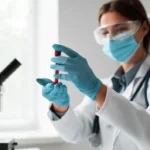
The nurse sends you a tiny tube of blood. You make it into a label, put it into a device and wait for the result.
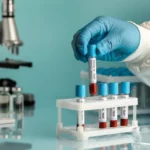
Next, you use a microscope to see the cells of a drop of blood. You grow a sample on a special dish to see if any bacteria are alive. Then you check a sample of urine for sugar and protein. Finally, you write the results very carefully because that is what a doctor will use to decide which medicine to give.
This is what the job involves. The tests are mainly of five types:
- Haematology, which is about blood cells, haemoglobin and clotting
- Bacteriology, which is about bacteria that cause infections
- Immunology, which is about how the body fights disease
- Clinical chemistry, which is about sugar, cholesterol, liver and kidney tests
- Microscopy, which is about examining tiny bodies closely
If you find any of the above interesting, then this course is for you. But if you hate blood and needles, then do think before you take it up.
Top BSc MLT Colleges in Punjab
Here are the many options available to you in Punjab so that you can compare multiple colleges and choose what suits you the best.
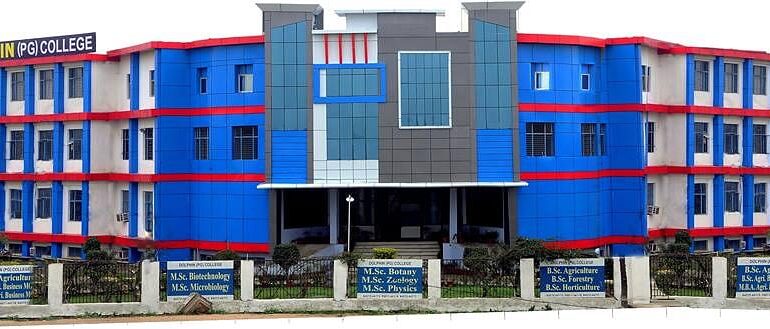
Dolphin (PG) College of Science & Agriculture
Dolphin (PG) College of Science & Agriculture provides B.Sc. Medical Lab Science (MLS), which comes under the category of medical laboratory technology. The course duration is 3 years (6 semesters). Students who have passed 10+2 with Physics, Chemistry, Biology or Mathematics, and English are eligible to apply with a minimum aggregate of 50%. SC and ST students are given a minimum aggregate of 45%.
The course includes diagnostic laboratory testing, such as haematological, bacteriological, immunological, chemical and microscopic testing. The college offers a 2-year lateral entry programme for eligible diploma holders.
Address: 18 Kms, Chandigarh-Sirhind State Highway 12-A, P.O. Chunni Kalan, District Fatehgarh Sahib, Punjab – 140406
Guru Nanak Dev University (GNDU)
Guru Nanak Dev University offers 40 seats for the BSc MLT course. The course requires 10+2 with Biology and an overall minimum of 50%. (45% for SC/ST). The course duration is 3 years or 4 years. The course offers a basic understanding of biomedical concepts and practical laboratory techniques, along with skill enhancement through practical training at hospitals and healthcare institutions.
Address: Guru Nanak Dev University, Grand Trunk Road, Off NH 1, Amritsar, Punjab-143005, India
Lovely Professional University (LPU)
One of the largest private universities in India. This full-time course lasts for 3 years. Minimum 60% in 12th with English, Chemistry, and one subject from Biology or Maths. Entrance is through the college’s own examination, LPUNEST. Students who perform well in the exam can avail a scholarship of up to 50%. LPU also offers a 2-year lateral entry programme for eligible diploma holders.
Address: Jalandhar – Delhi, Grand Trunk Rd, Phagwara, Punjab 144411
Bathinda Adesh University
A private university focused on health sciences, with its medical college and hospital nearby. This is a 3-year full-time program with a yearly intake of 60 students from the 10+2 medical or non-medical stream with at least 50% marks. The course aims to help students learn the basic science of laboratory work, testing, and clinical procedures.
Address: VPO Bhucho Kalan, Tehsil Nathana, Barnala Road, Bathinda, 151101, Punjab
3 Things that Students Miss To Check Out
Hostel and Food Charges: Hostel and Food can amount to as much as the fee at some colleges. The kind of Food they give might be better or worse than at other colleges. Some colleges do not have hostel facilities at all.
Exam and practical fees: Many colleges will add a mark on top of the fee for the course.
Fourth year of the course: If the course you pick has an internship or a 4th year, then you will have to pay for this as well.
So, don’t compare just the first figure mentioned; ask each college what you will pay for the whole course in writing.
Year by Year: What Will You Study
Every university will have different things to study, but here are some of the general subjects that you will study:
Year 1: Basic studies on body structure & functions
Anatomy, Physiology, Biochemistry, lab health and safety. You will also learn how to hold the tools in your hand.
Year 2: Now you can start working
Microbes, blood, disease. You will study microbiology, pathology, blood staining, and spend more hours working hands-on in the practical lab.
Year 3: Hospitals: the real world
You will now study clinical chemistry, blood banking, immunology, and most colleges will send you to the hospital for practical training with the patient’s samples under a senior technician’s supervision.
Some colleges also add an internship of 6 months or 1 year at the end of the course. That is why you will see some colleges call it a 3-year course and others 4 years.
How To Choose A College And Apply
Here is a step-by-step guide:
- Write down the list of colleges available
- Check if they are recognised and if the course is approved.
- Fill out the forms on the websites of the colleges.
- Organise your documents
- Wait for the merit list or the exam results.
- Pay the registration fee, and save the receipt for reference.
Most private universities open registrations around May and June. Other government and state colleges open at different times, so stay alert on their websites.
Some Mistakes Aspirants Make
Many students jump at the most popular college, and then regret it. Here are common errors:
- Choosing solely based on fees: A low-fee college with no practical lab means a waste of three precious years. And if the practical is good, the course will be too.
- Trusting a single website: Different listing sites will show different results for fee structure, duration, university status, and even course name. Always check with the college website itself.
- Ignorance about course length: Some universities list the course as 3 years, while others may call it 4 years, with the internship included.
- Forgetting about the hospital part: Ask the college and make sure that it has an affiliation with a hospital for hands-on practice.
- Not verifying approval status: Whether the university is approved by the UGC and the course has NOC for approval. Avoid if the course doesn’t have both.
- Taking too long to apply: The best low-cost and government colleges fill up early in the year. So start checking your options before May or June.
A Practical Learning Environment for Future Medical Laboratory Technicians
More than just learning, selecting a B. Sc. MLT college should mean building confidence working with lab tools, handling the samples, and doing the diagnostic tests. Dolphin (PG) College of Science & Agriculture is also available for those seeking an allied health sciences college in Punjab.
The institution provides UG and PG courses in medical and paramedical sciences. The method of teaching lays emphasis on practical work, with laboratory infrastructure and the teachers’ capability. If you want to excel in diagnostic services and health care, this is a college to choose.
Contact Details
Email: admissions@dolphinpgcollege.com
ADMISSION OR WhatsApp: 08427244882
FOR NEPAL, NORTH EAST, J&K Helpline: +91-84272 44774
HIMACHAL Helpline: +91-8427244771
Conclusion
If you need a B. Sc. In Medical Laboratory Technology in Punjab, there are many good, inexpensive choices. Always ensure your college is recognised and the course is recognised. Confirm the hostel and examination fees, and also whether the college has laboratory and hospital connections. Don’t choose a college only on popularity and fees. It is a safe career in hospitals, blood banks and labs.
Frequently Asked Questions
Is a BSc MLT from a private university valid?
Yes, provided the course has UGC approval, and the university has it as well. It is important to double-check before enrolling.
Can I join with no Biology?
Different colleges have different sets of conditions, but in many colleges, it is possible to join even without a medical background.
What are career opportunities after a BSc MLT?
Jobs are available in hospitals, diagnostic laboratories, blood banks and research laboratories. You can also pursue an MSc in medical laboratory technology, microbiology and biochemistry.
Duration of BSc MLT course in Punjab?
Most colleges give a 3-year course but there are some that offer a 4-year honours course.
Is BSc MLT course is trained?
Students are trained in lab skills, sample handling, diagnostic testing, microscopy and equipment handling in the lab.
What should I consider when selecting a BSc. MLT college?
You should check if the course is recognised, affiliated, laboratory facilities, associated hospitals, duration and fees of the course.
Eligibility for BSc. MLT at Dolphin College?
Pass in 10+2 with a minimum of 50% marks in Physics, Chemistry, Biology or Mathematics and English. For SC/ST students, 45% is the minimum.